 Call Us : +8613776256460Call Us : +8613776256460
 English
 Spanish
 French
 German
 Italian
 Chinese (Simplified)
 Japanese
 Korean
 Arabic
 Portuguese

 Send Inquiry
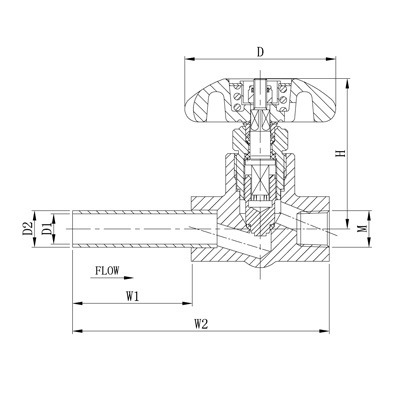
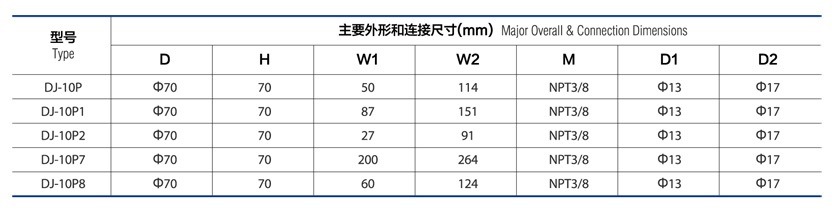
cryogenic globe valve DJ 10P 1 2 7 8
MOQ : 1 Unit
cryogenic globe valve DJ 10P 1 2 7 8 Specification
- Application
- Liquefied gas, cryogenic tank, pipelines
- Automatic Grade
- Manual
- Color
- Silver, Metallic
- Noise Level
- Low
- Control System
- Handwheel operated
- Material
- Stainless Steel
- Processing Type
- Cryogenic service
- Capacity
- Up to 600 lbs/in
- Size
- 1/2 & 7/8 (DN 15, DN 20)
- Weight
- Approx. 2.8 kg
- Design Standard
- BS6364, MSS SP-134
- Stem Type
- Non-rising, stainless steel stem
- Packing
- Graphite/PTFE packing
- Body Test Pressure
- 1.5 x rated pressure
- Operation
- Manual handwheel
- Test Standard
- API 598
- Body Material
- CF8M / SS304 / SS316
- Model
- DJ 10P 1 2 7 8
- Pressure Class
- Class 150 to 900
- Operating Temperature
- -196°C to +80°C
- Leakage Class
- ANSI Class VI
- Valve Type
- Cryogenic Globe Valve
- Flow Direction
- Bidirectional
- Bonnet Type
- Extended bonnet for cryogenic insulation
- End Connection
- Socket weld / Butt weld / Flanged
- Seat Material
- PTFE / PCTFE
- Shell Test Pressure
- 1.5 x rated pressure
cryogenic globe valve DJ 10P 1 2 7 8 Trade Information
- Minimum Order Quantity
- 1 Unit
- FOB Port
- SHANGHAI
- Payment Terms
- Telegraphic Transfer (T/T)
- Supply Ability
- 50 Units Per Month
- Delivery Time
- 7 Days
- Sample Available
- Yes
- Sample Policy
- Contact us for information regarding our sample policy
- Packaging Details
- wooden box
- Main Export Market(s)
- Australia, South America, Western Europe, Middle East, Africa, Asia, Central America, Eastern Europe, North America
- Main Domestic Market
- All India
- Certifications
- CE
About cryogenic globe valve DJ 10P 1 2 7 8
Nominal Pressure:4.0Mpa
Design Temperature: -196
Suitable Media: LNG, LO2, LN2, LAr, CO2
Materials of Main Parts:
Body: HPb59-1
Stem: HPb59-1
Handwheel: ZL102
Disc Seals: PCTFE
Robust Cryogenic Design for Extreme Conditions
The DJ 10P 1 2 7 8 is engineered to handle temperatures as low as -196C, making it suitable for demanding cryogenic applications. The extended bonnet ensures effective thermal insulation, preventing stem icing and maintaining reliability in tough environments such as liquefied gas storage and transportation.
Versatile End Connections and Material Choices
This valve is offered with multiple end connection options, including socket weld, butt weld, and flanged ends for flexible installation. Made from high-quality CF8M, SS304, or SS316 stainless steel, it resists corrosion and strengthens performance in harsh conditions, ensuring a long operational lifespan.
High Standards in Safety and Performance
Certified to BS6364 and MSS SP-134 design standards, with API 598 test compliance, the DJ 10P 1 2 7 8 guarantees optimal safety and minimal leakage. The manual handwheel operation, coupled with PTFE/PCTFE seats and ANSI Class VI leakage rating, delivers secure, bidirectional flow control for sensitive cryogenic applications.
FAQ's of cryogenic globe valve DJ 10P 1 2 7 8:
Q: How does the extended bonnet benefit cryogenic applications?
A: The extended bonnet on the DJ 10P 1 2 7 8 offers insulation between the valve's internal components and external environment, preventing stem icing in extremely cold temperatures. This feature increases safety, reliability, and lifespan in low-temperature service.Q: What materials are used in the construction of this cryogenic globe valve?
A: This model is constructed from robust CF8M, SS304, or SS316 stainless steel, providing excellent resistance to corrosion and low temperatures. The seat is made from PTFE or PCTFE for effective sealing and durability in cryogenic service.Q: When should I use a Class 150-900 cryogenic globe valve in my system?
A: Use this valve when managing liquefied gases, cryogenic tanks, or pipelines that require precise flow control and minimal leakage at pressures up to 900 class and temperatures down to -196C. It's suitable where stringent international standards must be met.Q: Where is the DJ 10P 1 2 7 8 cryogenic globe valve commonly installed?
A: These valves are typically installed in systems handling liquefied gases, cryogenic tanks, distribution pipelines, and other low-temperature service environments in industries such as petrochemical, industrial gas, and medical gas supply.Q: What is the typical process for operating and maintaining this valve?
A: Operation is manual, using a handwheel to control flow bidirectionally. Maintenance involves periodic inspection for seat wear, stem lubrication, and checking packing integrity, especially after prolonged cryogenic exposure, to maintain ANSI Class VI leak tightness.Q: How does the non-rising stem design improve performance?
A: The non-rising stem minimizes valve height during operation, offering more compact installation where space is limited. It also prevents the stem threads from exposure to the cryogenic media, thus reducing the risk of frost formation and operational issues.Q: What advantages does the DJ 10P 1 2 7 8 offer over standard globe valves?
A: This model is optimized for extreme cold, with enhanced insulation, advanced seat materials, and a bidirectional flow design. Its compliance with international standards, high leakage class, and robust construction ensure higher reliability and safety in cryogenic applications.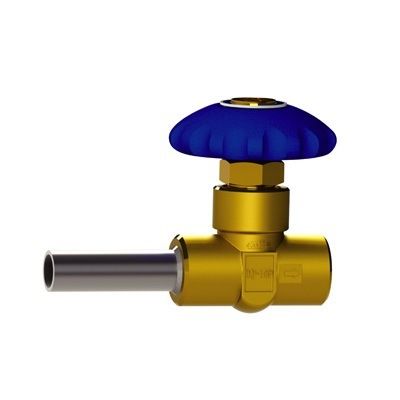
Tell us about your requirement

Price:
Quantity
Select Unit
- 50
- 100
- 200
- 250
- 500
- 1000+
Additional detail
Mobile number
Email

More Products in Cryogenic Globe Valve Category
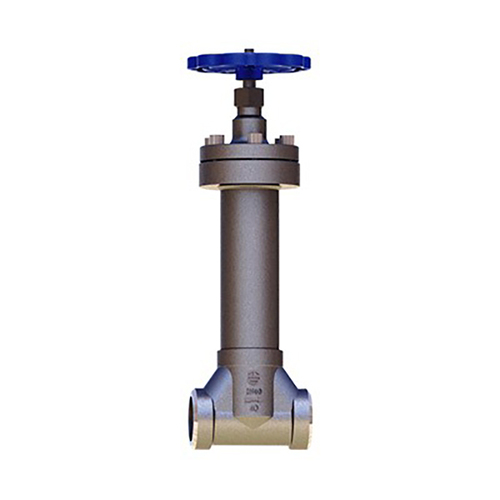
cryogenic globe valve DZJ
Price Range 10.00 - 100.00 USD ($) / Piece
Minimum Order Quantity : 1 Piece
Capacity : High flow capacity
Color : Silver / Metallic
Material : Stainless Steel / Cryogenic Alloy
Processing Type : Forged
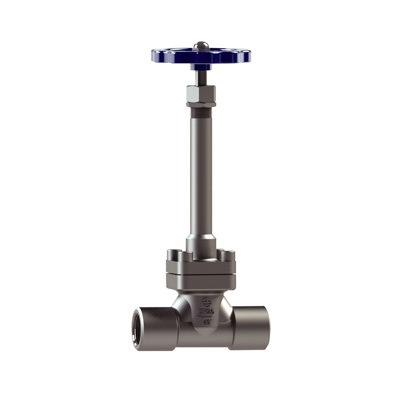
CRYOGENIC GLOBE VALVE DJ 10 15 20 25 40 (NPT)
Price Range 10.00 - 100.00 USD ($) / Kilograms
Minimum Order Quantity : 100 Kilograms
Capacity : Suitable for Pressure up to 40 bar
Color : Metallic Silver
Material : Stainless Steel (SS304/SS316/CF8M) or Brass
Processing Type : Cryogenic Service
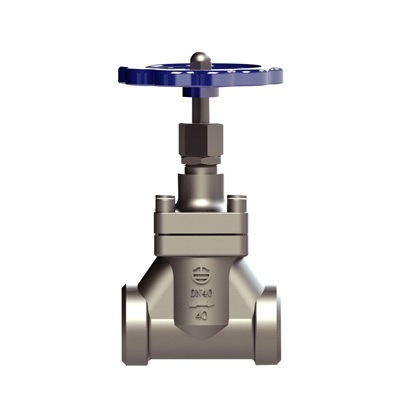
CRYOGENIC GLOBE VALVE DJ GGY
Minimum Order Quantity : 1 Watt
Capacity : Up to DN600
Color : Metallic Silver / Blue Actuator
Material : Stainless Steel / Carbon Steel / Alloy Steel
Processing Type : Forged / Cast
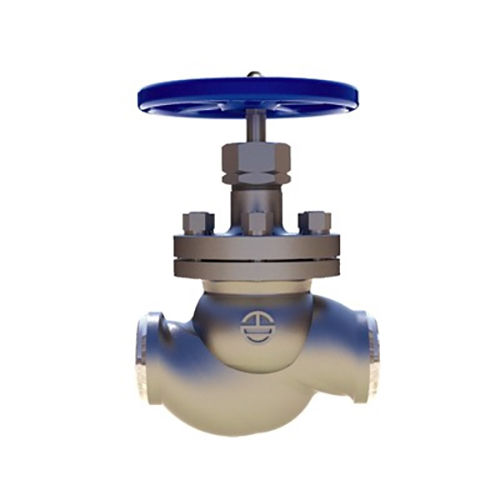
cryogenic globe valve
Price Range 10.00 - 100.00 USD ($) / Unit
Minimum Order Quantity : 1 Unit
Capacity : Full Bore
Color : Silver / Metallic
Material : Stainless Steel / Cryogenic Service Alloy
Processing Type : Casting

Address
ZHANGJIAGANG GRANDE MACHINERY CO., LTD
- B No.8, North Zhenxing Road, Yangshe Town, Zhangjiang, Shanghai - 215600, China
- Phone :86-512-58987829
- Send Inquiry
 Send Inquiry
 Send Inquiry
 |
ZHANGJIAGANG GRANDE MACHINERY CO., LTD.
All Rights Reserved.(Terms of Use) Developed and Managed by Infocom Network Private Limited. |
