 Call Us : +8613776256460Call Us : +8613776256460
 English
 Spanish
 French
 German
 Italian
 Chinese (Simplified)
 Japanese
 Korean
 Arabic
 Portuguese

 Send Inquiry
cryogenic globe valve GP
Price 30-50 USD ($)/ Unit
MOQ : 1 Unit
cryogenic globe valve GP Specification
- Noise Level
- Low
- Control System
- Handwheel Operated
- Processing Type
- Forged / Cast
- Thickness
- Body Thickness as per ASME Standards
- Capacity
- Designed for Cryogenic Applications
- Application
- Cryogenic Service, Industrial Gas, LNG, Liquid Oxygen, Nitrogen, Argon applications
- Material
- Stainless Steel (SS 304/316), Carbon Steel, Brass
- Color
- Metallic / Silver
- Weight
- Varies by Size
- Automatic Grade
- Manual
- Size
- Range: 15 mm to 300 mm (1/2 to 12)
- Operation
- Manual Handwheel (Optional: Actuated)
- Design Standard
- BS 6364, API 602 / ASME B16.34
- Pressure Rating
- Class 150, 300, 600
- Leakage Class
- ANSI Class VI
- Stem Type
- Rising Stem with Backseat Arrangement
- End Connection
- Flanged, Butt Weld, Socket Weld, Screwed Ends
- Packing
- PTFE / Graphite / Cryogenic Special Stem Sealing
- Test Standard
- As per API 598 / BS 6364
- Type
- Globe Valve (GP Series)
- Body Construction
- One Piece or Two Piece Forged / Cast Body
- Operating Temperature Range
- as low as -196°C (suitable for Liquid Oxygen/Liquid Nitrogen/etc.)
- Bonnet Type
- Extended Bonnet for Cryogenic Applications
cryogenic globe valve GP Trade Information
- Minimum Order Quantity
- 1 Unit
- FOB Port
- SHANGHAI
- Payment Terms
- Telegraphic Transfer (T/T)
- Supply Ability
- 50 Units Per Month
- Delivery Time
- 7 Days
- Sample Available
- Yes
- Sample Policy
- Contact us for information regarding our sample policy
- Packaging Details
- Wooden box
- Main Domestic Market
- All India
- Certifications
- CE
About cryogenic globe valve GP
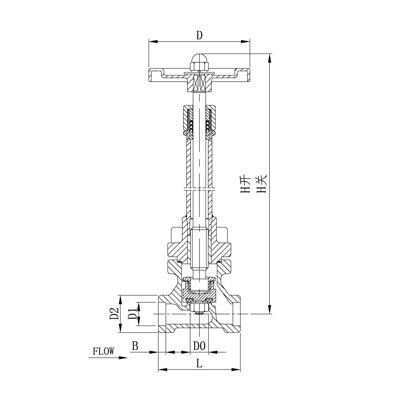
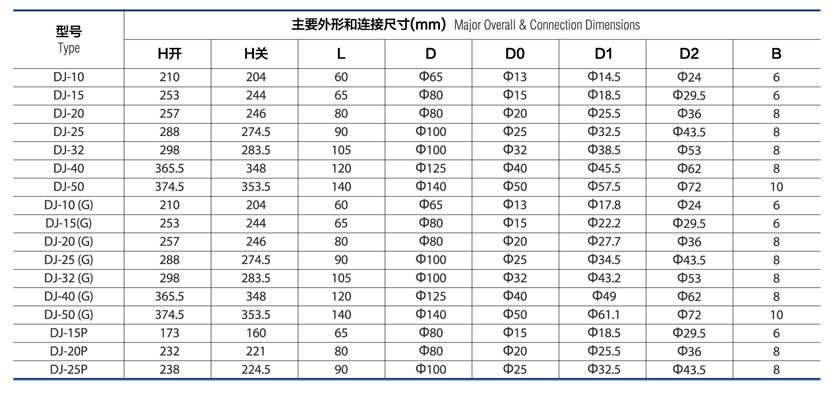
CRYOGENIC VALVE DJ (GP)
Nominal Pressure: 4.0Mpa
Design Temperature: -196A A12A+80AAA
Suitable Media: LNG, LO2, LN2, LAr,A CO2
Connection: Socket Weld
Materials of Main Parts:
Body, Cover: CF8
Disc, Stem: S30408
Disc Seals: PCTFE
Advanced Cryogenic Performance
Designed for use with extremely low temperatures (down to -196C), the GP Series Globe Valve features an extended bonnet and cryogenic-specific stem sealing, ensuring superior operational safety and isolation. Its robust construction and compliance with BS 6364 and API 602 standards make it the go-to choice for critical cryogenic applications in industrial gas and LNG sectors.
Flexible Connection and Size Options
Offered in a variety of end connection types-including flanged, butt weld, socket weld, and screwed-the valve is adaptable to multiple installation requirements. Sizes range from 15mm up to 300mm, suiting both compact and large-scale cryogenic systems. This versatility streamlines integration into new and existing piping setups for various gases.
Durable Material Selection
Constructed from high-grade stainless steel (SS 304/316), carbon steel, or brass, every GP Series Globe Valve promises longevity and resistance against low-temperature embrittlement. Body thickness adheres to ASME standards and is available in one- or two-piece cast or forged variants, ensuring optimal strength for demanding operating environments.
FAQ's of cryogenic globe valve GP:
Q: How does the GP Series Cryogenic Globe Valve ensure leak-tight operation at extremely low temperatures?
A: The GP Series utilizes an extended bonnet, rising stem with backseat arrangement, and specialized cryogenic stem sealing options (PTFE, graphite, or cryogenic grades) to maintain leak-tight service even at temperatures as low as -196C, complying with ANSI Class VI leakage standards.Q: What end connections and pressure ratings are available for this valve series?
A: The GP Series Cryogenic Globe Valve can be supplied with flanged, butt weld, socket weld, or screwed ends, and supports pressure ratings of Class 150, 300, and 600, accommodating diverse piping systems and requirements.Q: When should stainless steel, carbon steel, or brass material be selected for these valves?
A: Material selection should be based on the media fluency, compatibility with process fluids, and operating temperatures. Stainless steel is preferred for aggressive or ultra-cold applications; carbon steel suits less demanding cryogenic service; brass is used for specific industrial gas requirements.Q: Where are these valves commonly installed and used?
A: Cryogenic Globe Valves from the GP Series are typically used in industrial settings dealing with cryogenic fluids-such as LNG plants, medical gas suppliers, chemical and gas distribution facilities, and other installations handling liquid oxygen, nitrogen, or argon.Q: What is the process for installing and operating a GP Series valve?
A: Installation involves selecting the correct size and compatible end connections, ensuring alignment per ASME and API standards, and mounting the valve. Operation is manual via handwheel, but actuated options are available. Periodic maintenance checks ensure optimal sealing and performance.Q: What benefits does the extended bonnet provide for cryogenic applications?
A: An extended bonnet isolates the valve packing and stem from extreme cold, reducing condensation and thermal shock, while ensuring reliable actuator and sealing performance at cryogenic temperatures.Q: What testing standards and leakage classes are followed during manufacturing?
A: Each GP Series valve is tested to API 598 and BS 6364 requirements, guaranteeing high reliability and safety. Leakage class meets ANSI Class VI specifications, ensuring minimal to zero permissible leakage in cryogenic service.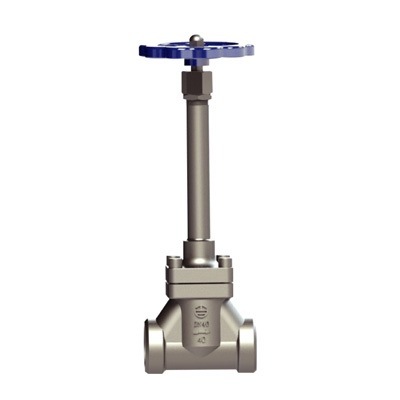
Tell us about your requirement

Price:
Quantity
Select Unit
- 50
- 100
- 200
- 250
- 500
- 1000+
Additional detail
Mobile number
Email

More Products in Cryogenic Globe Valve Category
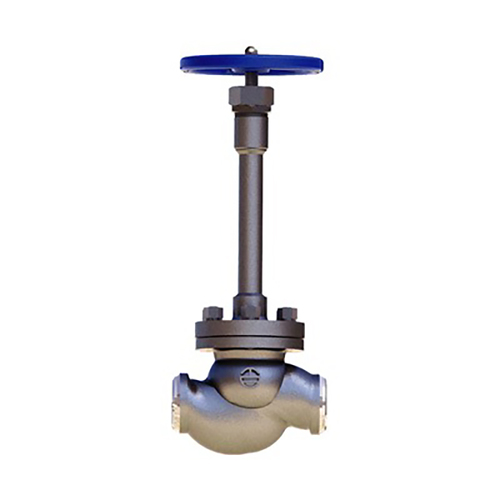
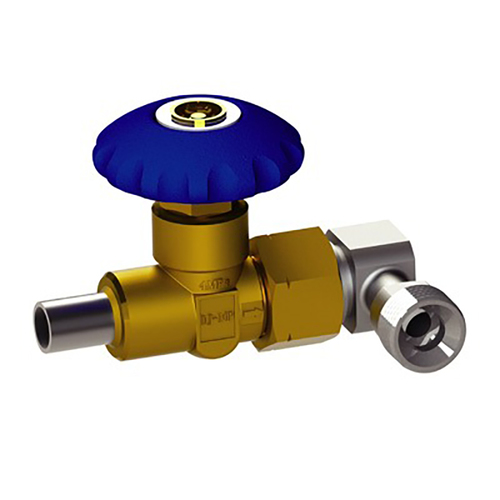
cryogenic globe valve DJ A1
Price Range 10.00 - 100.00 USD ($) / Piece
Minimum Order Quantity : 1 Piece
Automatic Grade : Manual
Size : DN15 to DN300
Weight : Depends on size, approx. 4 kg (DN25)
Color : Silver
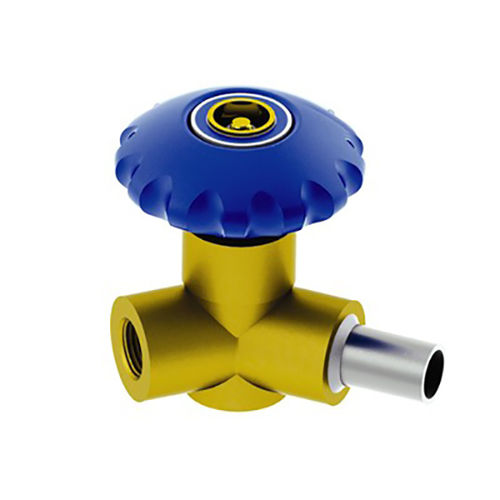
cryogenic globe valve DJ 10L 007
Price Range 10.00 - 100.00 USD ($) / Piece
Minimum Order Quantity : 1 Piece
Automatic Grade : Manual
Size : DN10 to DN200
Weight : Varies by size
Color : Silver
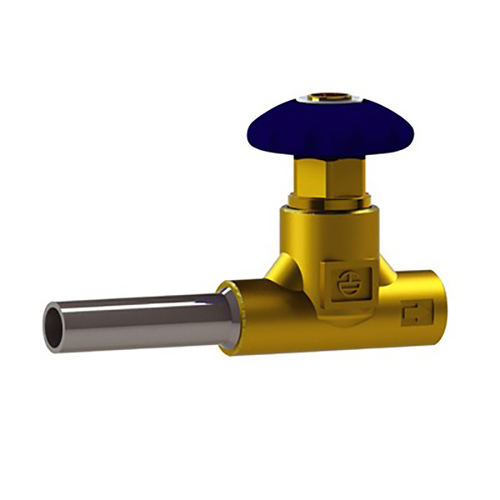
CRYOGENIC VALVE DJ 10PY PY1
Price Range 10.00 - 100.00 USD ($) / Piece
Minimum Order Quantity : 1 Piece
Automatic Grade : Manual
Size : DN10 (10mm)
Weight : Approx. 1.2 kg
Color : Metallic Silver
cryogenic globe valve DJ 15P3
Price Range 10.00 - 100.00 USD ($) / Piece
Minimum Order Quantity : 1 Piece
Automatic Grade : Manual
Size : DN15 (15mm)
Weight : 2.5 kg
Color : Metallic Silver

Address
ZHANGJIAGANG GRANDE MACHINERY CO., LTD
- B No.8, North Zhenxing Road, Yangshe Town, Zhangjiang, Shanghai - 215600, China
- Phone :86-512-58987829
- Send Inquiry
 Send Inquiry
 Send Inquiry
 Call Me Free
 |
ZHANGJIAGANG GRANDE MACHINERY CO., LTD.
All Rights Reserved.(Terms of Use) Developed and Managed by Infocom Network Private Limited. |
