 Call Us : +8613776256460Call Us : +8613776256460
 English
 Spanish
 French
 German
 Italian
 Chinese (Simplified)
 Japanese
 Korean
 Arabic
 Portuguese

 Send Inquiry
cryogenic globe valve DGJ
MOQ : 1 Piece
cryogenic globe valve DGJ Specification
- Size
- DN 15 to DN 250
- Application
- LNG, Liquid Nitrogen, Liquid Oxygen, Cryogenic Gas Pipeline
- Control System
- Hand Wheel Operated
- Color
- Silver / Metallic
- Weight
- Varies by Size (approx. 6 kg to 120 kg)
- Noise Level
- Low
- Processing Type
- Cryogenic Service
- Capacity
- High Flow Capacity
- Material
- Stainless Steel / Forged Steel
- Thickness
- Up to DN 250
- Automatic Grade
- Manual
- End Connection
- Flanged / Butt Weld / Socket Weld
- Bonnet Type
- Extended Bonnet for Cryogenic Use
- Body Type
- Straight Pattern
- Temperature Range
- -196°C to +80°C
- Pressure Rating
- Class 150 to Class 1500
- Testing
- Hydrostatic and Cryogenic Testing
- Design Standard
- BS, ASME, API
- Operation Type
- Manual / Optional Pneumatic Actuator
- Trim Material
- Stainless Steel or Monel
- Leakage Rate
- Class VI (Bubble Tight)
cryogenic globe valve DGJ Trade Information
- Minimum Order Quantity
- 1 Piece
- FOB Port
- SHANGHAI
- Supply Ability
- 50 Pieces Per Month
- Delivery Time
- 7 Days
- Sample Policy
- Contact us for information regarding our sample policy
- Packaging Details
- wooden box
- Main Export Market(s)
- Australia, South America, Western Europe, Middle East, Africa, Central America, Eastern Europe, Asia, North America
- Main Domestic Market
- All India
- Certifications
- CE
About cryogenic globe valve DGJ
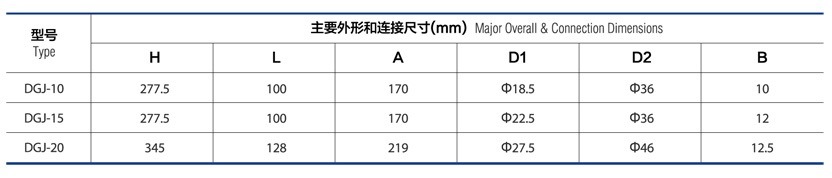
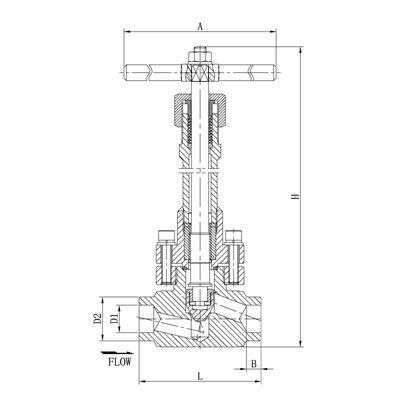
Nominal Pressure:32Mpa
Design Temperature: -196+80-Suitable Media: LNG, LO2, LN2, LAr
Connection: Socket Weld
Materials of Main Parts:
Body, Cover: S30408
Disc, Stem: S30408
Versatile Cryogenic Performance
This valve excels in low-temperature environments, from LNG facilities to laboratories handling liquid nitrogen and oxygen. Featuring robust stainless steel or forged steel construction, it ensures safety and reliability under extreme thermal conditions, maintaining precise flow control and a leak-proof seal at all rated pressures and connection types.
High Standards of Quality and Testing
Each DGJ globe valve undergoes rigorous hydrostatic and cryogenic testing to guarantee performance and durability. The extended bonnet design protects critical internal components, while compliance with international standards (BS, ASME, API) makes it a trusted choice for global projects.
Flexible Installations and Control Options
Engineered for adaptability, the DGJ valve accommodates both manual and pneumatic operations. Its body type supports high flow capacity while minimizing noise. Multiple end connections, sizes, and trim materials provide custom solutions for diverse industrial requirements.
FAQ's of cryogenic globe valve DGJ:
Q: How is the DGJ cryogenic globe valve installed in a cryogenic gas pipeline system?
A: Installation depends on the chosen end connection type-flanged, butt weld, or socket weld. The valve should be connected according to the pipeline configuration, ensuring the extended bonnet remains properly oriented for optimal insulation and performance in cryogenic environments.Q: What benefits does the extended bonnet offer for cryogenic service?
A: The extended bonnet acts as an insulating barrier, protecting valve packing and internal components from extreme cold. This design ensures reliable operation at temperatures as low as -196C, minimizing the risk of leakage and enhancing valve longevity.Q: Where can this valve be used within industrial processes?
A: The DGJ cryogenic globe valve is suitable for facilities processing LNG, liquid nitrogen, and liquid oxygen, as well as cryogenic gas pipelines. Its robust build and high flow capacity make it ideal for both distribution and storage applications.Q: What materials are available for the valve and trim, and how do they affect performance?
A: Valve bodies are offered in stainless steel or forged steel, ensuring durability. Trims are available in stainless steel or Monel, providing resistance to corrosion and wear in harsh cryogenic conditions, thereby extending service life.Q: When should a pneumatic actuator be considered for this valve?
A: A pneumatic actuator is recommended for remote operation, frequent cycling, or when manual access may be limited. This option enhances automation and process efficiency while maintaining safe operation in cryogenic services.Q: What testing processes are performed on the DGJ cryogenic globe valve?
A: Valves undergo hydrostatic and cryogenic testing to verify structural integrity, leak-tightness (Class VI bubble-tight), and functionality under both high-pressure and low-temperature conditions, ensuring compliance with industry standards.Q: How does the valve ensure noise reduction during operation?
A: The straight pattern body design and precision machining help minimize flow turbulence, resulting in lower noise levels even at high flow rates, contributing to a safer and quieter working environment.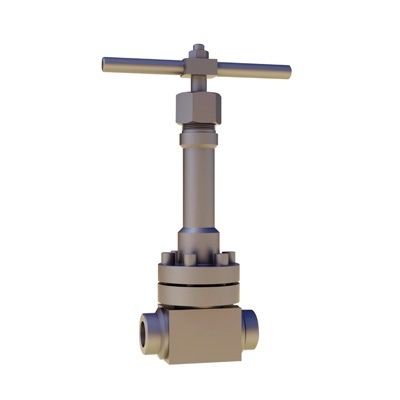
Tell us about your requirement

Price:
Quantity
Select Unit
- 50
- 100
- 200
- 250
- 500
- 1000+
Additional detail
Mobile number
Email

More Products in Cryogenic Globe Valve Category
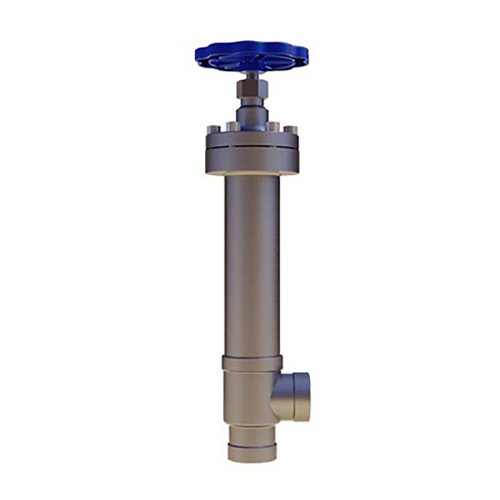
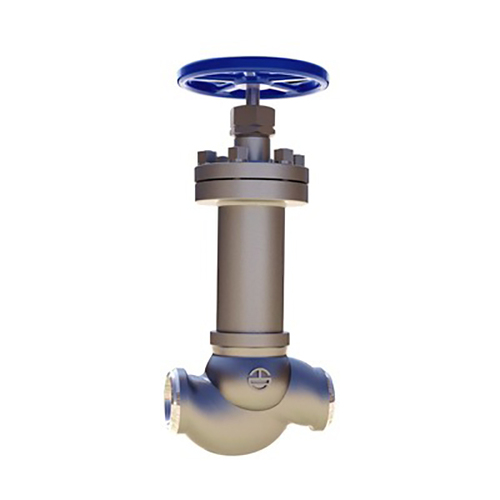
cryogenic globe valve DZJ 40J
Price Range 10.00 - 100.00 USD ($) / Piece
Minimum Order Quantity : 1 Piece
Processing Type : Cryogenic fluid regulation
Noise Level : Low
Weight : Approx. 810 Kg
Color : Metallic Silver
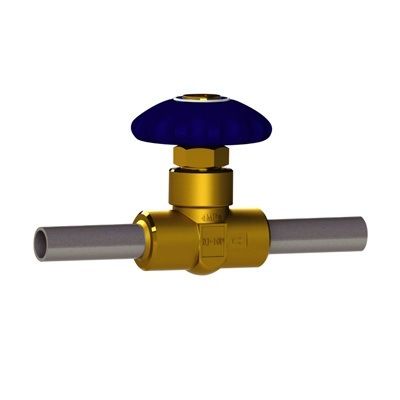
cryogenic globe valve DZJ 65
Price Range 10.00 - 100.00 USD ($) / Piece
Minimum Order Quantity : 1 Piece
Processing Type : Cryogenic Valve
Noise Level : Low
Weight : Approx 1015 kg
Color : Metallic Silver
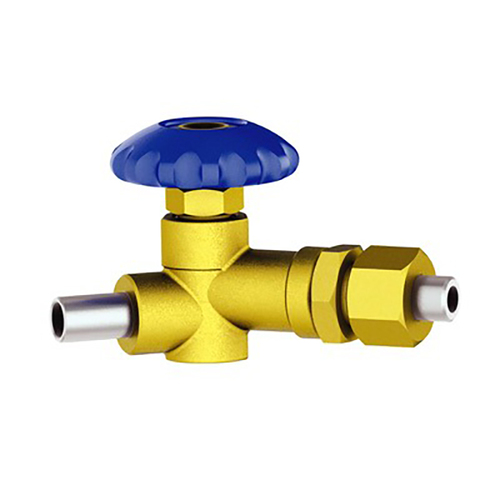
cryogenic globe valve DJ 10P3 5 6
Price Range 10.00 - 100.00 USD ($) / Piece
Minimum Order Quantity : 1 Unit
Processing Type : Forged/Cast
Noise Level : Low
Weight : Varies by size; approx. 212 kg
Color : Silver
cryogenic globe valve020
Price Range 10.00 - 100.00 USD ($) / Piece
Minimum Order Quantity : 1 Piece
Processing Type : Forged
Noise Level : Low
Weight : Depends on size
Color : Silver

Address
ZHANGJIAGANG GRANDE MACHINERY CO., LTD
- B No.8, North Zhenxing Road, Yangshe Town, Zhangjiang, Shanghai - 215600, China
- Phone :86-512-58987829
- Send Inquiry
 Send Inquiry
 Send Inquiry
 |
ZHANGJIAGANG GRANDE MACHINERY CO., LTD.
All Rights Reserved.(Terms of Use) Developed and Managed by Infocom Network Private Limited. |
